Protection vs Prevention
This shift reveals something important:maintenance itself has become the problem.
The most common solution focuses on managing traditional fabric cushions.
This approach includes:
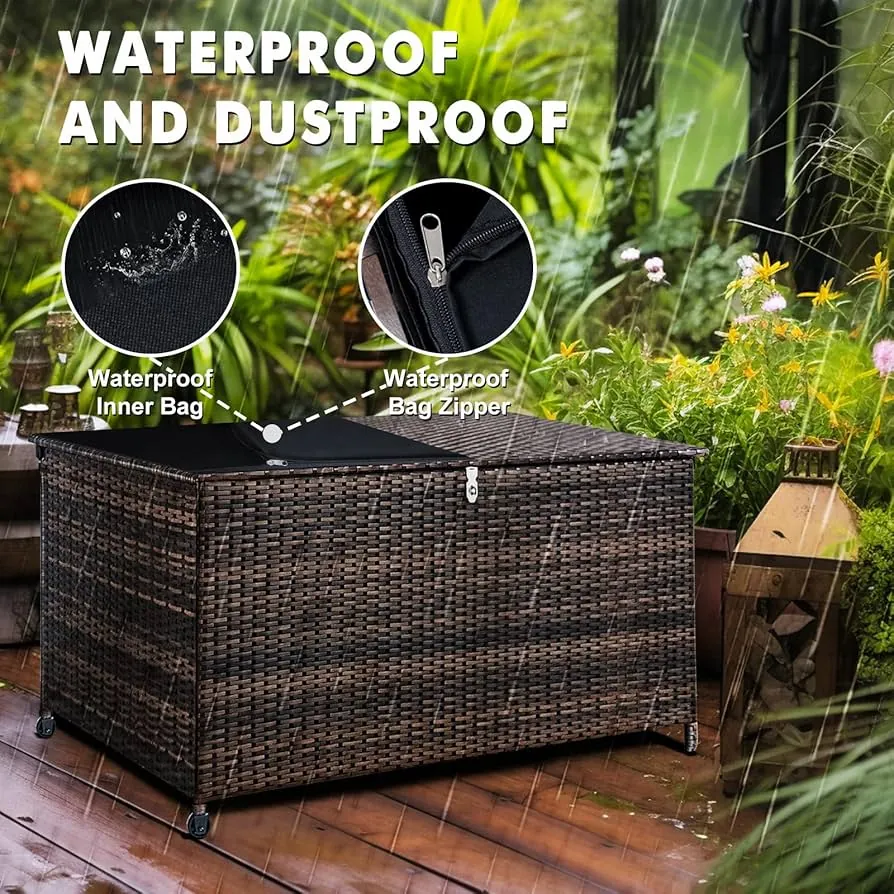
Water-resistant textiles
Removable cushion covers
Protective shells or covers during rain
These designs reduce exposure and make cleaning easier.
They work — especially when users actively protect the cushions.
But they still depend on ongoing actions:
Covering before rain
Drying after rain
Washing and reinstalling covers
Maintenance is reduced, but not removed.
Protection-based solutions assume one thing:
that water will eventually reach the cushion, and must be managed afterward.
In reality:
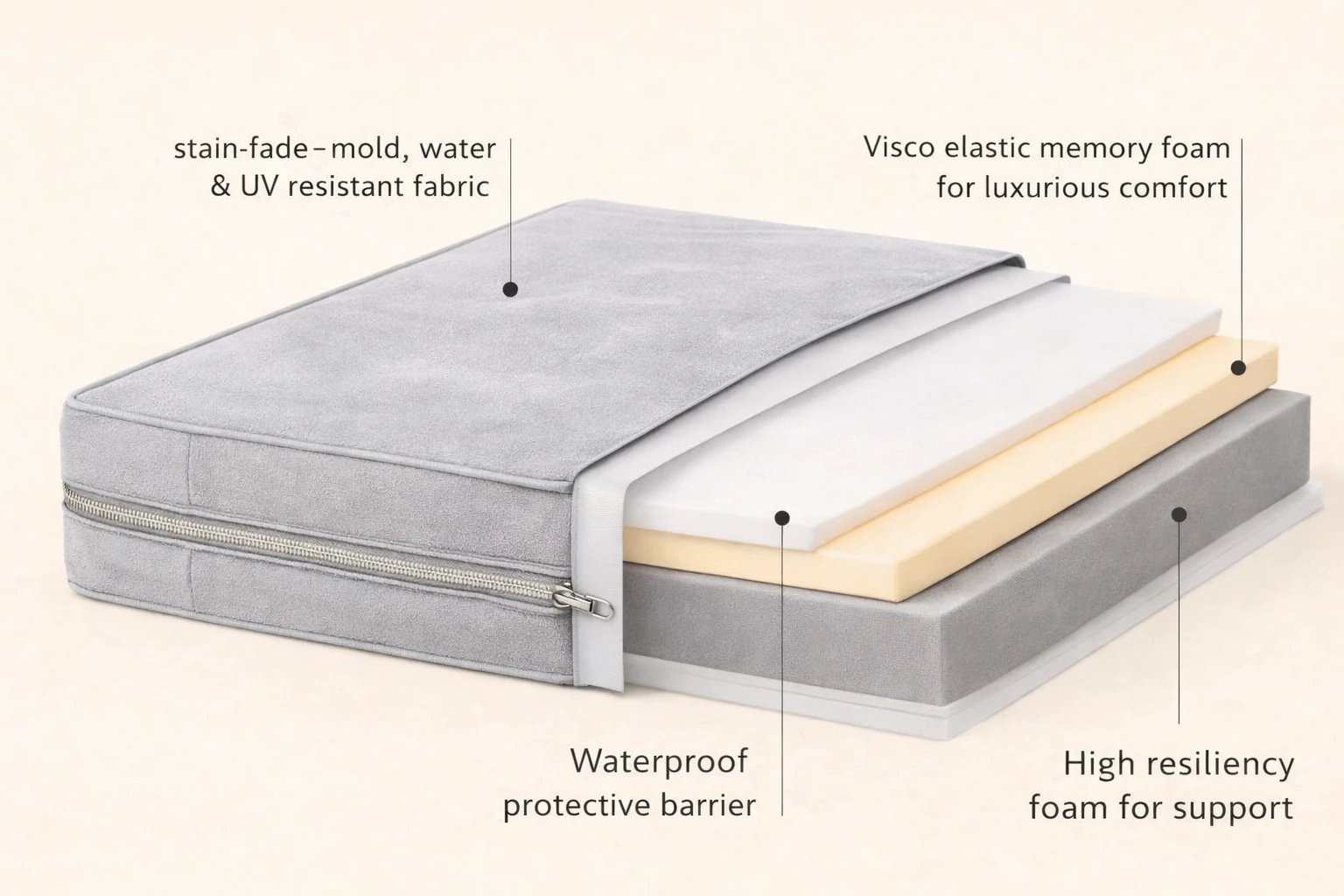
Seams and edges remain vulnerable
Fabric structures allow gradual moisture ingress
Long-term humidity can still affect the foam core
This is not a flaw — it is simply the limit of fabric-based design.
A second approach starts from a different question:
What if cushions never absorbed water at all?
Instead of protecting fabric, this approach removes the vulnerability itself.
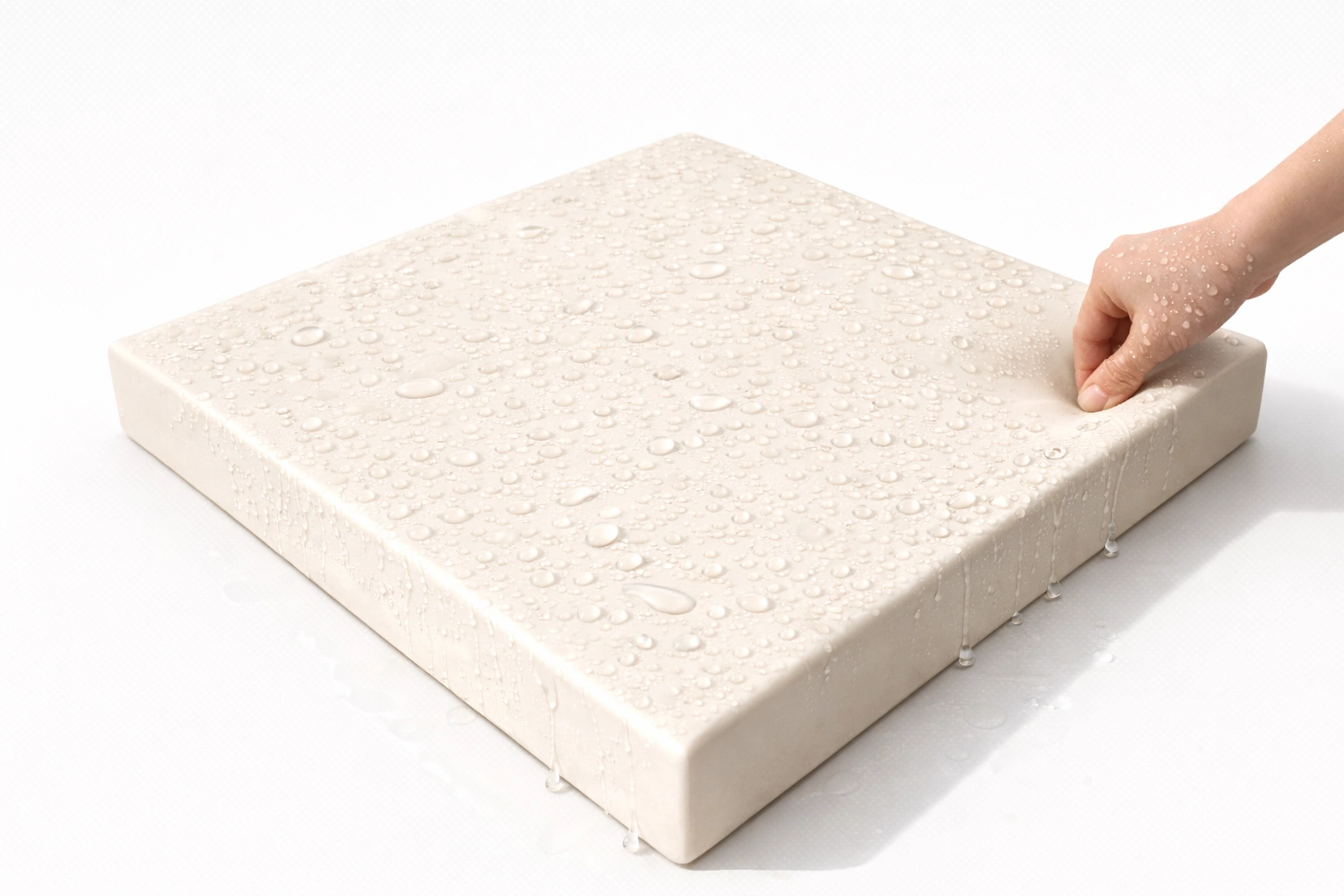
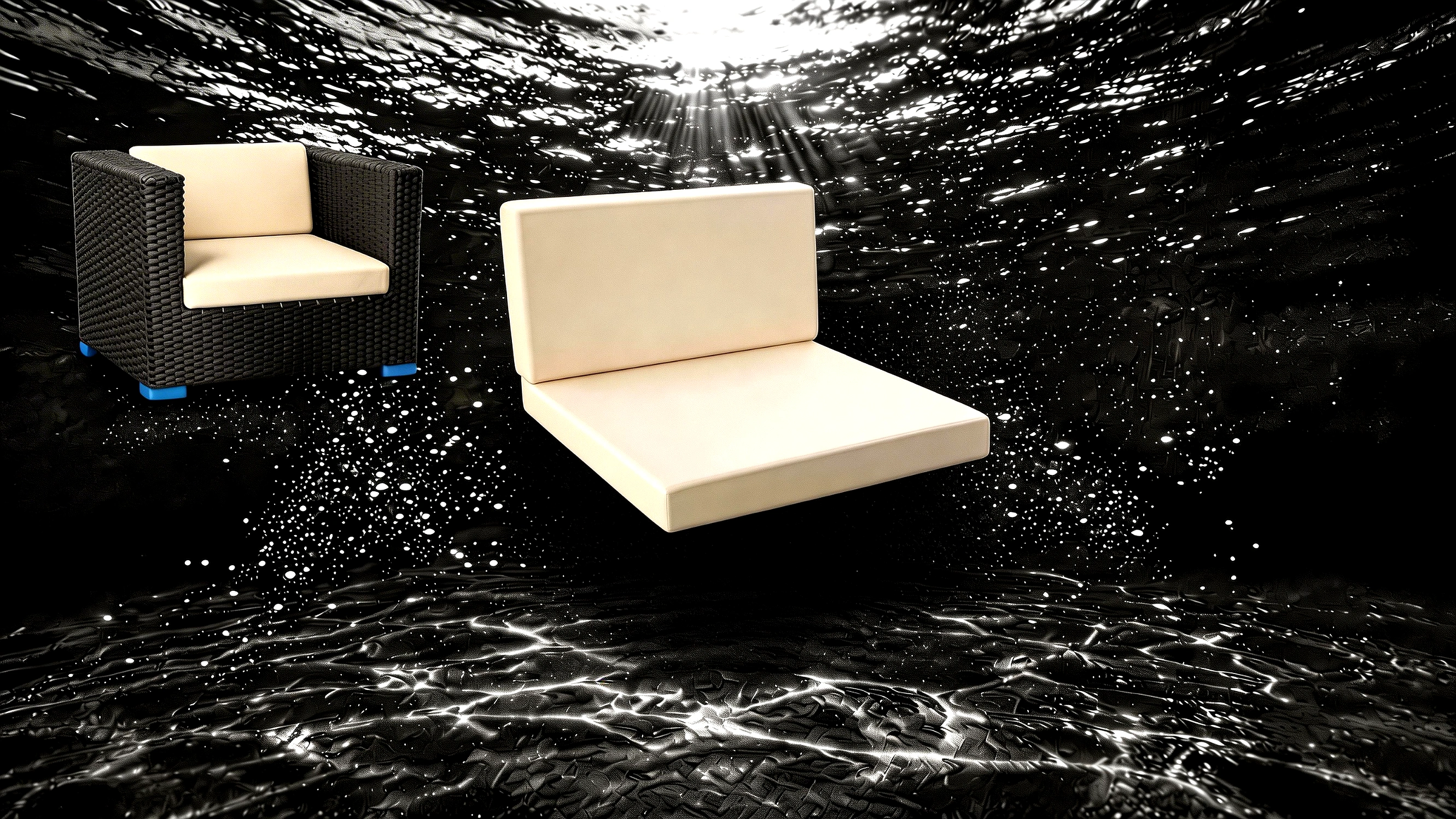
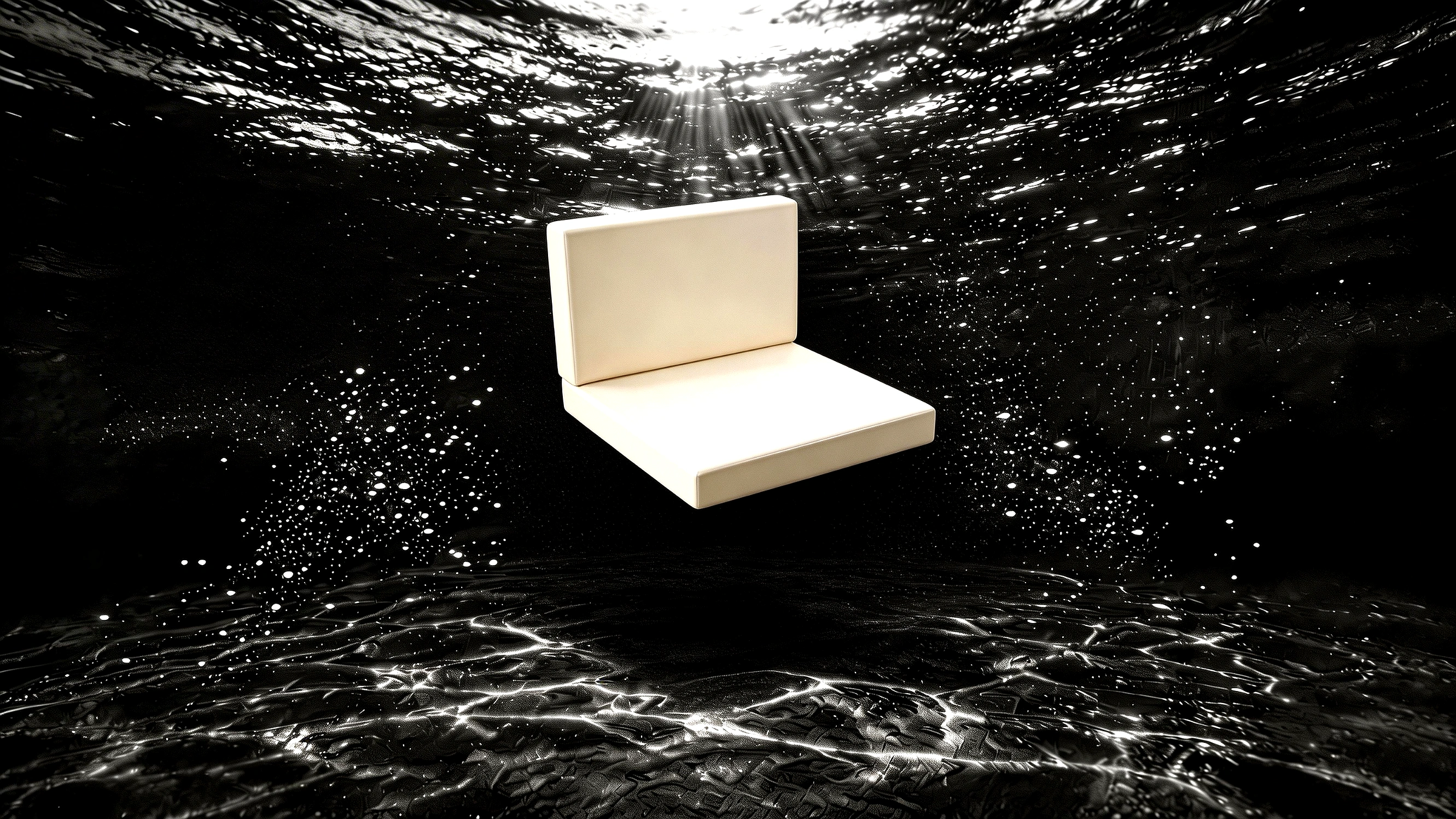
By forming a seamless waterproof layer directly around the foam core:
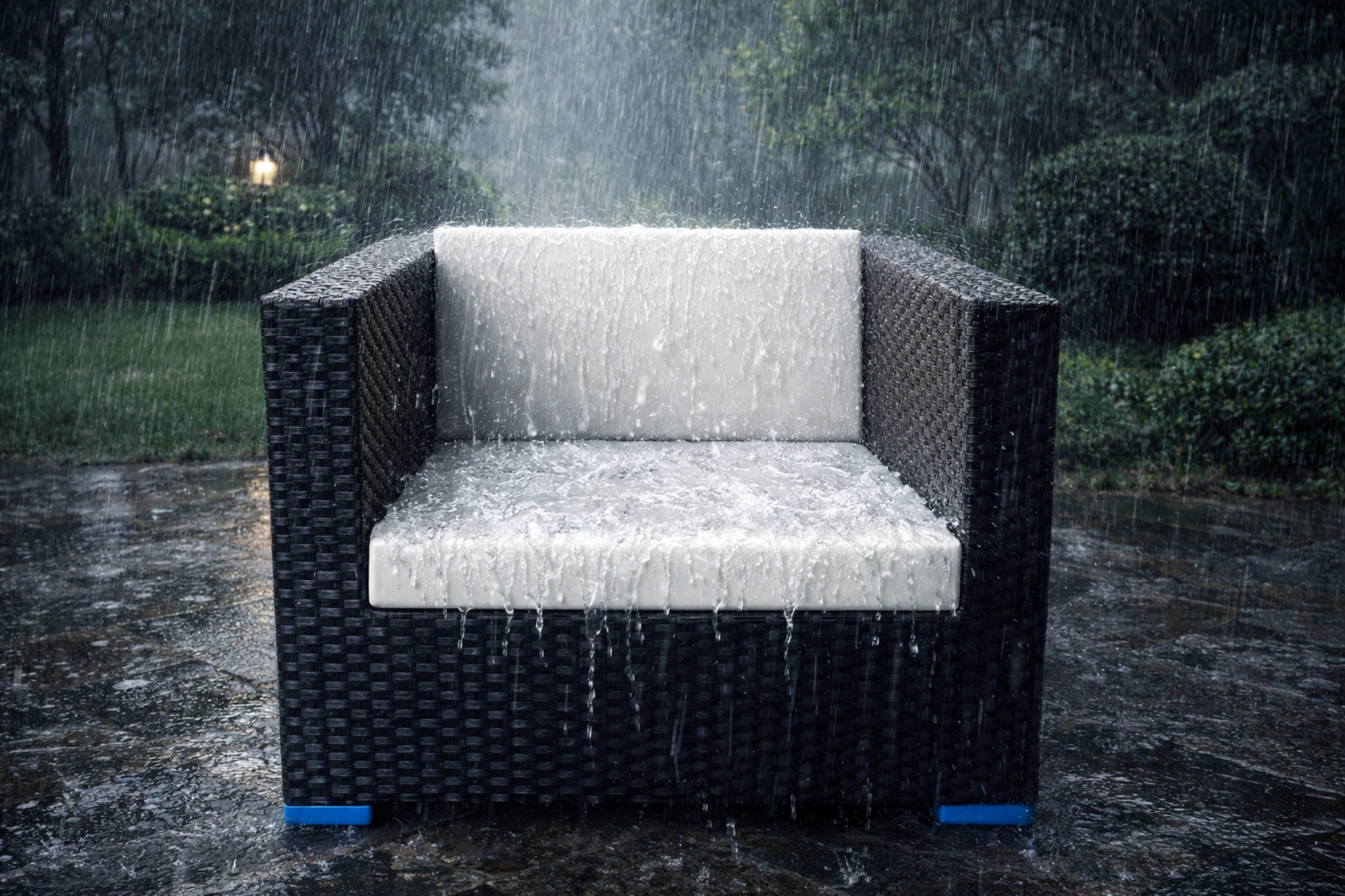
Water has no path inward
Seams and fabric gaps are eliminated
Drying time becomes irrelevant
The difference can be summarized simply:
One approach adds protection.
The other removes the vulnerability.
Both approaches aim to improve outdoor living — but they operate at different levels.
For users, the difference is not technical — it’s practical:
Fewer actions
Fewer reminders
Less worry about weather
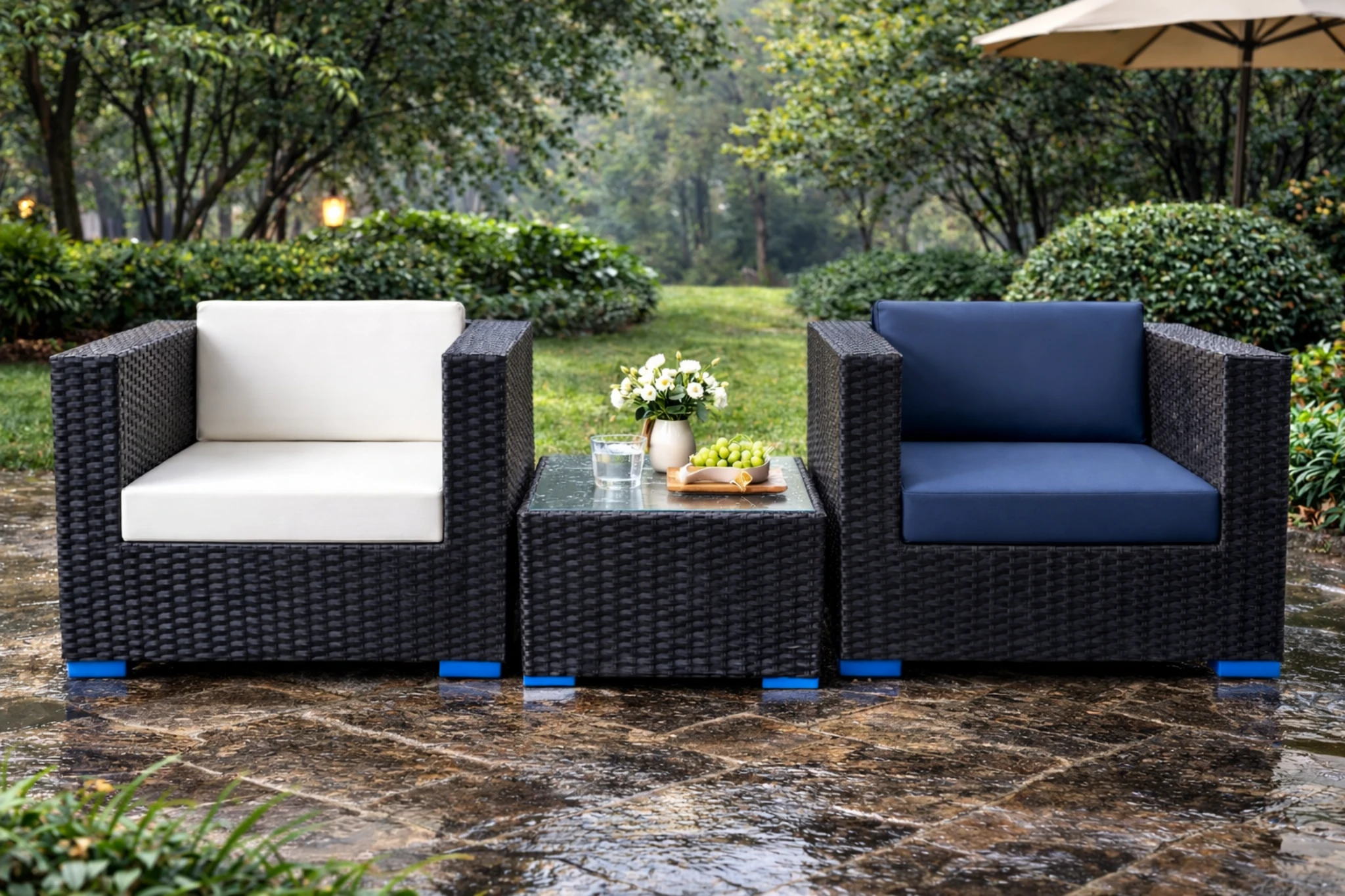
As outdoor spaces become more permanent living areas, designs that remove maintenance altogether naturally gain appeal.
This structural failure is explained in detail in Why Most Outdoor Cushions Fail
Soft Marble Pattern Coffee Table
Looks Like Real Marble
But It's Soft when You Touch It.
Support to Printed Patterns.